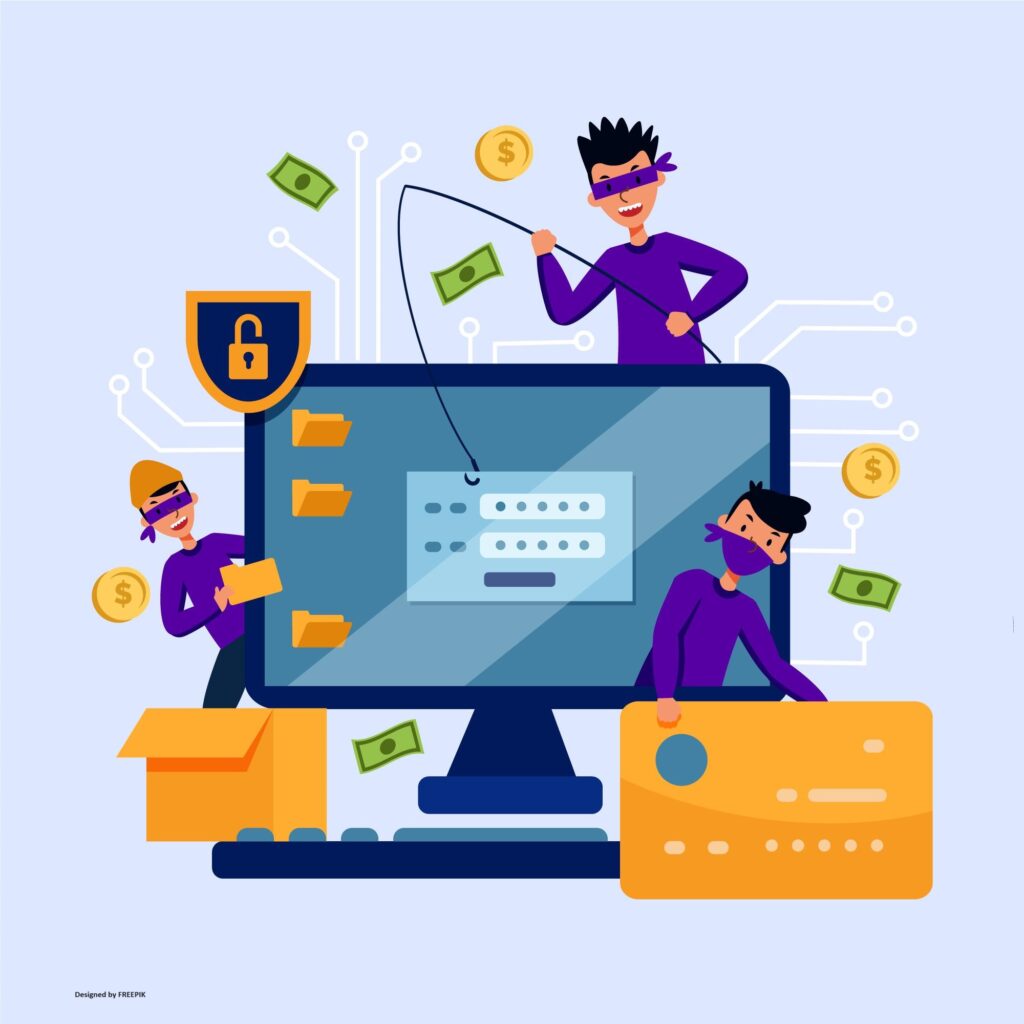

When you hand your personal information to a company; your email address, your credit card number, your home address, there is an unspoken agreement: they will protect it. But what happens when that protection fails, and more importantly, how long does it take before anyone even knows it has failed?
At first glance, everything may appear business as usual. You’re able to access your accounts as normal, your transactions go through without issue, and communication continues uninterrupted. In other words, there is no visible sign that anything has changed.
However, the unfortunate truth is, that data breach detection time is far longer than most people realise, and by the time an organization realizes that their systems have been compromised, your data may have already been bought and sold on the dark web multiple times over.
Jump To:
Toggle
The Gap Between Exposure and Discovery
A data breach does not announce itself. Attackers are methodical, patient, and their methods are getting more and more sophisticated. They infiltrate systems quietly, covering their tracks carefully, extracting data in small increments to avoid triggering alarms.
The result is a detection gap; a window of time during which your information is exposed, circulating in the wrong hands, while the organization responsible remains completely unaware.
There is also a false sense of security that exists, most people assume that security systems operate in real time. If something goes wrong, they expect to be notified quickly, almost immediately. Unfortunately, it doesn’t work like that.
According to IBM’s Cost of a Data Breach Report, the average time to identify a breach is 194 days, that is over six months! Add to that the average time to contain a breach once discovered (another 64 days), and the full lifecycle of a breach stretches close to nine months from first compromise to resolution.
A whopping nine months. In that time, your data is not sitting idle. Once it leaves that controlled environment, it begins to take on a very different role.
What Happens to Your Data During That Window?
Once a cybercriminal gains access to a database, i.e. your information, the clock starts ticking, for them, not for you. Within hours or days of a breach, stolen data begins moving through underground marketplaces.
Credentials are tested against other platforms (a practice known as credential stuffing). Financial data is sold in bulk to fraud rings, and personal details are compiled into profiles used for identity theft or targeted phishing attacks.
Attackers begin connecting the dots. They analyze patterns, map relationships, and build those profiles. For an executive, this could involve linking travel activity, financial behavior, and communication habits into a cohesive picture.
The breach detection gap is not just a technical inconvenience. It is the period during which real, tangible harm is done to real people.
Here is a breakdown of the typical timeline:
- Day 0–7: Attacker gains initial access, often through phishing or an unpatched vulnerability.
- Day 7–30: Attacker moves laterally through the network, escalating privileges and locating valuable data.
- Day 30–60: Data is exfiltrated in staged amounts to avoid detection.
- Day 60–194 (average): Organization remains unaware. Stolen data may already be on sale.
- Day 194+: Breach is finally detected, usually not by the organization itself, but by a third party.

Why Does Detection Take So Long?
1. Organizations Are Watching the Wrong Things
Many companies invest heavily in perimeter security like firewalls, intrusion detection systems, and access controls. But attacks are becoming very sophisticated, and target the supply chain, third-party vendors, or insider access. Once inside, they blend in with normal network traffic, making detection extraordinarily difficult without advanced behavioral analytics.
2. Alert Fatigue Is Real
Large organizations generate millions of security alerts daily. Some positive and some false positives. Security teams are often understaffed and under-resourced, and they simply cannot investigate every flag. Attackers know this and deliberately craft their activity to fall below alert thresholds.
3. Breaches Are Usually Discovered by Outsiders
A significant portion of breaches are not discovered internally at all. They are uncovered by law enforcement, cybersecurity researchers, or dark web monitoring services that spot the stolen data for sale. This means organizations are not just slow, in many cases, they are the last to know.
4. Complexity Breeds Blind Spots
Modern enterprise environments are sprawling and complex. Cloud services, remote access points, third-party integrations, legacy systems. Every connection-point is a potential entry vector, and the more complex the environment, the more places an attacker can hide.
The Human Cost of Slow Detection
The extended data breach detection time translates directly into harm for the individuals whose data was taken. Here are a few of the consequences of an attack.
- Identity theft can take years to resolve and can damage credit scores, cost money, and consume enormous amounts of time.
- Financial fraud may go unnoticed for billing cycles, allowing thieves to drain accounts or open new lines of credit.
- Account takeovers can lock you out of email, banking, or social media platforms.
- Targeted phishing becomes far more convincing when attackers already know your name, employer, and recent purchases.
And because the average person trusts companies with dozens of accounts, from healthcare providers to e-commerce platforms to loyalty programs, the exposure is rarely contained to just one breach.
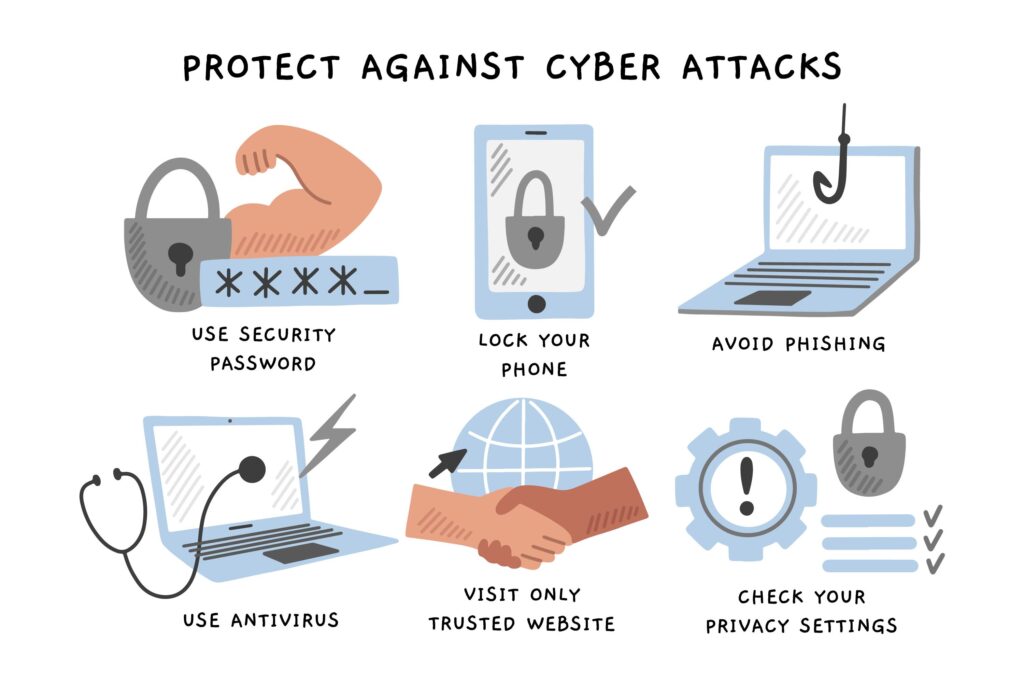
How to Protect Yourself Before the Organization Does
You cannot control how quickly a company detects a breach. But you can reduce the damage when one inevitably occurs.
1. Monitor Your Accounts Actively
Don’t wait for your bank to call you. Check your financial accounts regularly for unauthorized transactions. Many banks offer real-time transaction alerts, so go ahead and enable them.
2. Use a Password Manager and Unique Passwords
If every account has a different password, a breach at one company does not cascade into breaches everywhere else. A password manager allows you to create and store complex passwords with ease.
3. Enable Multi-Factor Authentication (MFA)
Even if your credentials are stolen, MFA creates an additional barrier that prevents attackers from accessing your accounts. Use an authenticator app rather than SMS where possible.
4. Monitor the Dark Web for Your Information
Services like Have I Been Pwned (haveibeenpwned.com) allow you to check whether your email addresses have appeared in known breaches. Many identity monitoring services go further, scanning dark web marketplaces for your personal data in real time. See the article on dark web monitoring for information.
5. Place a Credit Freeze
A credit freeze prevents new lines of credit from being opened in your name, even by you, until you lift it. It is free, reversible, and one of the most effective tools against identity theft.
6. Be Skeptical of All Unexpected Communications
Phishing attacks spike after breaches, often targeting victims of that breach with hyper-personalized messages. If you receive an unexpected email, call, or text asking for action, verify through official channels before responding.
An Unfortunate Truth
Even when you do get a notification, it usually shows up late, and it rarely gives you the full picture. Some breaches get disclosed weeks or months after the fact. Others never get reported at all. And let’s be honest: these systems are built to protect the company first. That means by the time you hear anything, they’ve already known for a while.
What Should Organizations Be Doing?
While individual vigilance matters, the responsibility ultimately lies with the organizations that collect and store personal data. After all, you’ve entrusted them with some of your most valuable information, therefore, their standards must be higher.
Best-practice organizations are increasingly adopting:
- Zero-trust architecture, which assumes no user or device is inherently trustworthy and requires continuous verification.
- Endpoint Detection and Response (EDR) tools that monitor for behavioral anomalies rather than just known threat signatures.
- Regular third-party penetration testing to find vulnerabilities before attackers do.
- Breach notification automation, so that when a breach is confirmed, affected individuals are informed as rapidly as legally and operationally possible.
Regulations like GDPR in Europe and various state-level laws in the United States are pushing organizations toward faster breach disclosure, in some cases requiring notification within 72 hours of discovery. But discovery itself remains the bottleneck.
Conclusion
Data breach detection time is one of the most underappreciated risks in digital security. The gap between when your data is stolen and when anyone realizes it is vast, and in that gap, real harm is done.
Trusted organizations, despite their best intentions and significant security investments, are consistently outpaced by determined attackers. The architecture of the modern internet means that your data is being stored in dozens of places you may not even remember, managed by teams stretched thin, monitored by systems that can be fooled.
This is not a reason to stress. It is a reason for awareness. Understanding that detection is slow empowers you to take the steps that reduce your exposure, limit the damage when breaches occur, and maintain a healthy, realistic skepticism about who truly holds your data, and for how long.
FAQs
What is the average detection time for a breach?
In many cases, detection can take weeks or even months. This depends on the complexity of the system and how well activity is monitored. Unfortunately, delays are more common than most people realize.
Can my data be used before I’m notified of a breach?
Yes. In fact, it often is. During the detection delay, data can be analyzed, shared, and used in targeted attacks before any notification is issued.
Why are breach notifications delayed?
Delays can result from technical limitations, internal investigations, and legal requirements. Organizations often need time to confirm what happened before disclosing it publicly.
Who is most at risk?
Executives, high-net-worth individuals, and public figures tend to face greater risk because their data is more interconnected and more valuable to attackers.