
You carry the same device everywhere you go, but the risk isn’t the same everywhere you go. Cross one border, and your private data is protected. Cross another, and it becomes vulnerable to monitoring, cybercrime, and legal access that you’d never expect.
For executives and high-net-worth individuals, moving from one country to another may seem harmless, but depending on your destination, it can expose your sensitive information, disrupt your negotiations, and put your privacy at serious risk.
Therefore, understanding how digital risk changes by country is the first step toward protecting yourself every time you travel.
Jump To:
ToggleTL;DR / Key Takeaways
- Digital risk by country varies dramatically, and your exposure shifts instantly when you travel.
- Surveillance laws, cybercrime activity, and privacy regulations all change across borders.
- Executives and HNWIs face higher targeting rates, especially during international travel.
- A clean-device strategy and encrypted communication tools block most risk.
This article shows where the risks are—and how to stay protected anywhere in the world. So let’s get to it!
You land in a new country, exit the airport, and switch off airplane mode. You scroll through your messages like you always do. Everything seems normal, nothing feels out of the ordinary, but unbeknownst to you, everything has changed behind the scenes.
At this moment, your phone is now governed by different laws, different surveillance practices, and an entirely different threat environment. You didn’t change your behavior, but your risk level has now shifted the moment you touched the ground.
For executives and high-net-worth individuals, travelling abroad is often necessary, and this shift can be more than an inconvenience; you are now exposed, and your homeland’s privacy laws that may have protected you before may not protect you in this new jurisprudence.
The information on your device isn’t just personal; it’s valuable. In some countries, it’s protected by strong privacy laws, while in others, it can be inspected, monitored, profiled, and even accessed in ways you’d never expect.
This is why understanding digital risk by country is now essential to modern executive safety.
In this article, you will learn:
- What shapes digital risk from one country to the next
- Why executives face disproportionate exposure
- Real-world examples showing how geography affects your privacy
- Practical, executive-ready strategies for staying secure anywhere
Where Your Data Is Safer—and Where It Isn’t (Based on Global Indicators)
Not all countries treat your online identity trail the same. The moment you cross a border, the rules governing privacy, surveillance, data access, and cybercrime can shift dramatically. Below is a high-level, research-based overview of how different regions stack up.
Each category is based on publicly available, globally recognized indicators such as the GDPR framework, Freedom on the Net, national surveillance laws, and international cyber-risk reporting.
1. Strong Protections (High Privacy, Low Surveillance)
These countries have the strongest digital rights, transparent oversight, and modern privacy laws.
Examples:
- EU/EEA nations — GDPR gives you the highest level of data protections globally.
- United Kingdom — GDPR-aligned and strong oversight mechanisms.
- Canada — PIPEDA and provincial laws provide clear rules on personal data use.
- New Zealand — Strong privacy regime and transparent government access rules.
- Japan — Robust data protection with international adequacy agreements.
Executive insight: These locations offer the closest thing to “safe by default,” however you must still do your part and take all necessary precautions to protect your device.
2. Moderate Risk (Some Privacy Laws, Mixed Enforcement)
In these countries, privacy protections exist, but enforcement varies or government access can be broad.
Examples:
- Singapore — Strong cybersecurity ecosystem, but government access powers are wide.
- South Korea — Good privacy laws with occasional aggressive data inquiries.
- United States — Powerful tech ecosystem, but fragmented privacy laws and strong law-enforcement access powers.
- Australia — Strong cybersecurity but broader investigative authority over data.
- United Arab Emirates — Rapidly modernizing digital framework with some surveillance exposure.
Executive insight: Use a clean device setup and avoid storing sensitive cloud data. Expect ISP-level monitoring in some nations.
3. High Risk (Weak Privacy Laws, Expansive Surveillance)
These countries operate with weak privacy protections and have expansive state surveillance.
As a result, Freedom on the Net repeatedly ranks them among the world’s most restrictive digital environments..
Examples:
- Russia — Extensive state monitoring and low data-protection standards. This creates a high-visibility environment for executive data.
- China — Broad government access to digital activity and mandatory data localization increase corporate and personal exposure.
- Iran — Strict internet controls and pervasive surveillance significantly limit digital privacy for travelers.
- Saudi Arabia — Robust monitoring powers and restricted privacy laws mean executive communications are easily scrutinized.
- Egypt — Broad state authority over online activity and weak privacy protections elevate executive tracking risks.
Executive insight: While in these countries you should assume all digital activity is logged, including metadata, location, and device identifiers. As such, you should travel with a dedicated “clean phone” only.
4. Cybercrime & Fraud Hotspots (High Criminal Activity)
In this section we’ll take a look at regions where executives face an increased risk from cyber-criminal groups, scam networks, digital fraud, and ransomware operations.
Examples:
- Brazil — Rapidly rising phishing and financial-fraud ecosystem.
- Nigeria — Has long-been a hotspot for cybercrime networks and scammers targeting HNWIs and businesses globally.
- India — India has been experiencing a growing volume of scam and impersonation call centers.
- Scam hubs in Cambodia, Myanmar, Laos — These are major centers for forced-labor scam compounds that target foreign executives.
Executive insight: These areas are less about surveillance and more about aggressive criminal targeting — especially through Wi-Fi networks, SIM swaps, and social engineering.
If you travel to these regions, take your security very seriously, and take all measures to properly protect your devices.

What “Digital Risk by Country” Really Means
When you’re travelling, your device stays the same, but your environment changes when you cross borders.
With this in mind, there are four core factors that shape your exposure: surveillance laws, cybercrime density, data-access powers, and privacy law strength. We’ll discuss these in greater detail.
1. Surveillance & Monitoring Laws (Concise + Executive-Friendly)
Countries differ dramatically in how much access they allow governments, telecommunication companies, and law-enforcement agencies to have over your digital life. When you travel, these laws determine what can be collected from your devices, and in many instances, without your knowledge.
- Government access to data
Some jurisdictions require warrants and strict oversight, while others allow broad access to communications and cloud data with little transparency.
- Mandatory metadata collection
Internet providers in foreign countries may automatically log your call logs, device identifiers, browsing activity, and connection history.
- Network traffic scanning
In higher-risk countries, ISPs (Internet Service Providers) may inspect, filter, or censor your online activity. This can even happen in real time.
- Mandatory SIM registration
Many regions require SIM cards to be tied to your legal identity, eliminating any anonymity when you travel.
- Border device inspection rights
Certain countries permit authorities to examine, copy, or temporarily seize laptops and smartphones at entry points.
Real Case:
Le Monde, a major French newspaper exposed a surveillance firm tracking 14,000+ numbers in 168 countries, including executives, using spyware that intercepted private messages.
Executive takeaway:
If you don’t understand a country’s surveillance rules, you don’t understand your exposure.
2. Cybercrime Density & Targeting of Travelers
Cybercrime is geographically concentrated, and executives are attractive targets.
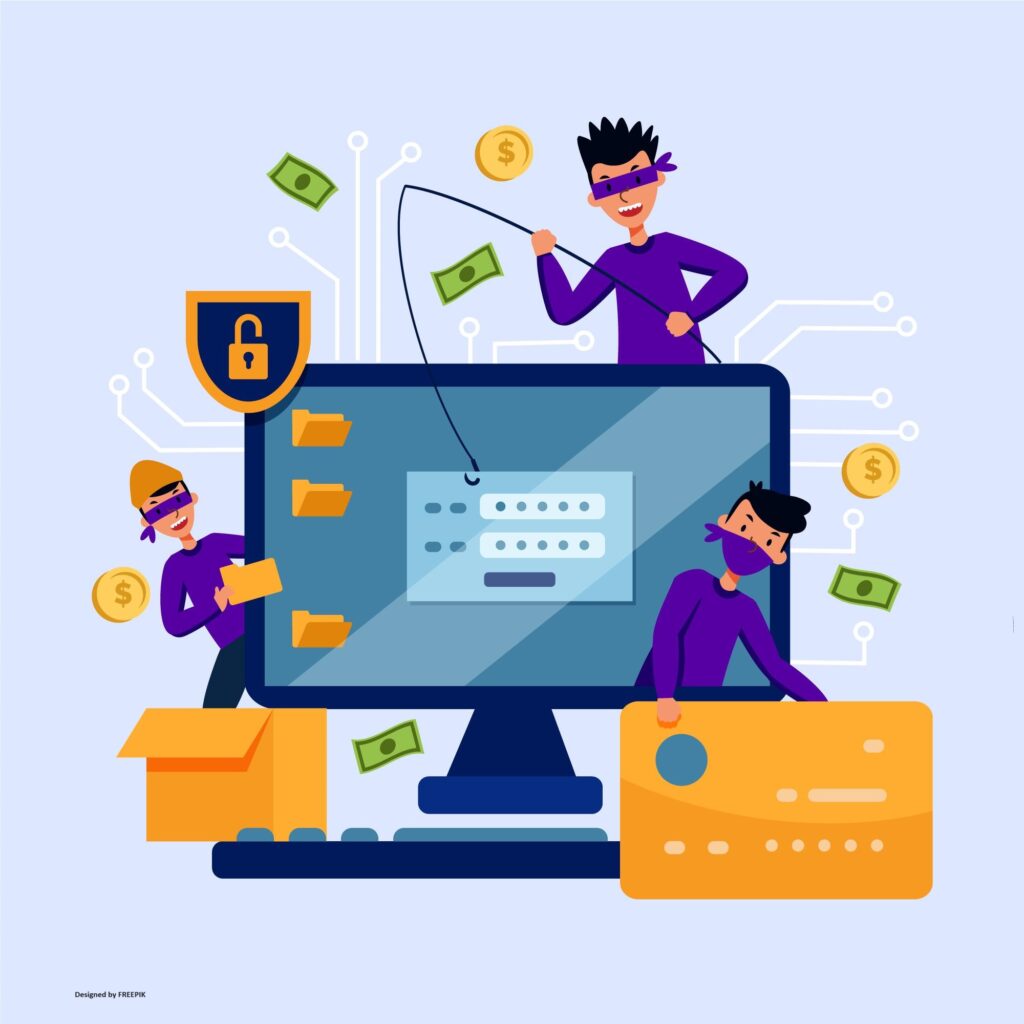
- Fake Wi-Fi portals: Mimic airport or hotel networks to steal credentials.
- Session hijacking: Stolen tokens allow access to corporate dashboards.
- Conference targeting: Hackers exploit executive-rich environments.
- BEC attacks: Criminals time attacks to travel schedules.
Real Case:
Attackers monitored a wealthy traveler’s email for 30 days before attempting multi-million-dollar transfers. (Source: Howden Group report)
Executive takeaway:
Your wealth, position, and travel pattern increase your value to cybercriminals.
3. Data Access & Legal Compulsion Powers
Some governments can legally compel companies to hand over your data.
Silent cloud requests: Providers may be forced to comply without notifying you.
- Decryption orders: Some jurisdictions demand encryption key assistance.
- Device-unlocking laws: You may be required to unlock your phone.
- Broad “national security” exceptions: Allow sweeping access to digital data.
Executive takeaway:
Privacy laws that protect you at home may not apply abroad—sometimes dramatically so.
4. Strength of Local Privacy Laws
Privacy protections vary widely.
- Strong (GDPR-level): Strict limits on collection/storage.
- Moderate: Some protections, but enforcement varies.
- Weak: Aggressive data harvesting and third-party sharing allowed.
- High commercial tracking: Data brokers collect extensive information on travelers.
Executive takeaway:
Weak privacy environments turn your device into a data source.
Where Your Data Is Safer vs. More Exposed (Based on Global Indicators)
We’ve established that different countries have different rules for surveillance, data access, corporate compliance, and privacy enforcement. Therefore, when you cross a border, your risk changes.
Below is a simple, executive-level breakdown of how nations fall into four global risk profiles, based on well-known indicators like GDPR, Freedom on the Net, and major cybersecurity reports.
 Strong Protections — High Privacy, Low Surveillance
Data is generally safest in these jurisdictions.
Countries (public, globally recognized examples):
EU / EEA countries (GDPR)
- United Kingdom
- Canada
- New Zealand
- Japan
What this means for executives:
- Strong legal protections over your personal data.
- Clear limits on government surveillance.
- Predictable court processes before data can be accessed.
- Strong breach-notification laws requiring transparency.
Why this category matters:
These countries give individuals—and by extension executives—maximum control over their digital footprint, with strict rules on how companies store, share, and process your data.
 Moderate Risk — Some Privacy Laws, Mixed Enforcement
Data is partially protected, but exposures exist.
Countries (examples widely used in global risk indexes):
- Singapore
- South Korea
- United States
- Australia
- United Arab Emirates
What this means for executives:
- Privacy laws exist, but enforcement varies.
- Data held by companies or cloud providers may be subject to broader access powers.
- Surveillance may be more permissible depending on the situation.
- Commercial tracking and data brokers can be pervasive
Why this matters:
You still have rights, but enforcement is inconsistent.
Executives traveling here should assume corporate data, cloud accounts, and communications may have weaker protections than in GDPR-level jurisdictions.
 High Risk — Limited Privacy Laws + Expansive Surveillance
These jurisdictions allow extensive data access by authorities.
Countries (as identified by Freedom on the Net & similar global reports):
- China
- Russia
- Saudi Arabia
- Iran
- Egypt
What this means for executives:
- Little or no meaningful protection over personal data.
- High levels of network monitoring.
- Encrypted tools may be restricted or discouraged.
- Border device inspections are common.
Why this matters:
When traveling to or operating within these countries, executives must assume their devices, communications, and cloud data may be monitored. Travel devices (“clean phones”) become essential.
 Cybercrime & Fraud Hotspots — High Criminal Activity
The biggest threat here isn’t the government—it’s cybercriminals.
Countries/Regions (as documented in global cybercrime & fraud reports):
- Brazil
- Nigeria
- India
- Scam hubs in Southeast Asia (Cambodia, Myanmar, Laos—varies by year)
What this means for executives:
- High risk of phishing, SIM-swap attacks, and financial fraud.
- Scammers specifically target executives, diplomats, and HNWIs.
- Public Wi-Fi and local networks may be compromised.
- Email, WhatsApp, and social media spoofing is common
Why this matters:
These areas require heightened personal operational security (OPSEC) even if privacy laws exist.
The threat isn’t surveillance—it’s criminal extraction of wealth, identity, or corporate access.

Why It’s a Serious Risk for Executives
Executives face unique risks due to wealth, authority, visibility, and access.
1. Privacy Exposure
Your movements and communications become valuable intelligence abroad.
Real Case: Predator spyware targeted EU politicians and business figures, proving even strong-privacy regions can have surveillance gaps.
Executive takeaway: Executives are high-value data points—even in first-world countries.
2. Financial Risk
Travel creates ideal conditions for financial exploitation.
Real Case: A wealthy individual’s inbox was monitored for a month before criminals attempted multi-million-dollar transfers.
Executive takeaway: Attackers wait for moments when you’re distracted and overwhelmed.
3. Physical Safety
Digital exposure can escalate into real-world danger.
Real Case: Location metadata from a social media post exposed a public figure’s exact position, resulting in an in-person security incident.
Executive takeaway: Digital leaks can compromise physical safety instantly.
4. Reputational Damage
Data from compromised devices can be used strategically.
Real Case: The Greek surveillance scandal revealed how sensitive data leaks can destabilize careers—even in regulated jurisdictions.
Executive takeaway: Your reputation is a security asset—and a target.
5. Corporate Security
A compromised travel device is a gateway into your organization.
Real Case: Luxury-service breaches exposed the personal data of millions of HNWIs, including travel patterns and corporate contacts.
Executive takeaway: Your personal digital footprint is connected to your entire company.
Executive-Level Solutions
These strategies are used by CEOs, founders, and HNWIs who regularly travel across high-risk regions.
Use a Two-Device Strategy
Carry a clean travel phone and laptop with minimal apps, no sensitive documents, and no cached data.
This removes your single largest exposure point and ensures that if a device is seized, scanned, or compromised, there’s nothing valuable to extract.
Restrict What You Carry
Delete or offload:
- corporate documents.
- financial statements.
- personal photos.
- email archives.
- old downloads.
- password exports.
Attackers and authorities often target stored data first, so limiting what’s on your device drastically reduces your risk surface.
Harden Communications
Use tools designed for high-surveillance environments:
- Signal for encrypted messaging.
- Proton Mail/Tutanota for private email.
- Encrypted VoIP for calls.
- Hardware keys (YubiKey) for unbreakable MFA.
Use Safe Network Habits
- Avoid hotel Wi-Fi for anything sensitive.
- Disable auto-join networks.
- Use mobile hotspots.
- Keep Bluetooth and AirDrop off.
This prevents session hijacking and rogue hotspot attacks.
Isolate Personal & Work Profiles
Keep personal accounts and corporate systems on separate devices or user profiles.
This prevents attackers from pivoting from personal weaknesses into corporate networks.
Reset Your Digital Footprint After Travel
When you return:
- Rotate important passwords.
- Revoke sessions.
- Review login activity.
- Factory-reset travel devices if needed.
This severs any hidden compromise acquired abroad.
Conclusion
Your risk changes the moment you cross a border. Surveillance levels, cybercrime density, and legal access powers shift instantly—sometimes dramatically.
Understanding digital risk by country allows you to stay ahead of these changes and protect your privacy, reputation, and organization.
Your digital life may be global, but your protection must be intentional.
Quick Recap
- Main Risks: surveillance, cybercrime, location leaks, weak privacy laws, corporate exposure.
- Main Solutions: clean devices, encrypted tools, hardware keys, safe network habits, post-travel resets.
FAQs
1. What does digital risk by country mean?
Your exposure changes across borders due to local laws and cyber threats.
2. Can I eliminate the risk entirely?
No, but you can reduce 80–90%.
3. Who is most at risk?
Executives, founders, public figures, and HNWIs.
4. Are some countries unsafe for personal devices?
Yes—especially high-surveillance or high-cybercrime regions.
5. Does a VPN fix everything?
No. It helps, but can’t stop device inspections or metadata leaks.
6. Simplest step for high-risk travel?
Bring a clean device and use a hardware key.